
Anji Qingyun Flexible Welding Robot Opens a New Track
Anji Qingyun welding robot has been officially launched. With the global robot welding market accelerating its expansion from $8.1 billion in 2025 to $9.0 billion in 2026, and expected to reach $27.9 billion by 2034, the compound annual growth rate will be as high as 15.20%. The technological path of welding automation is undergoing a fundamental transformation. Against the backdrop of a continuous labor shortage, the American Welding Society predicts a shortage of approximately 320,000 welders in the welding industry by 2029. The manufacturing industry has an unprecedented urgent demand for welding robots that are easy to use, flexible, safe, and highly protective.
Three Core Pain Points Drive Technological Change
Pain Point 1: Shortage of Welders, High Barriers to Traditional Automation
The welding robots provided by Anji Qingyun focus on breaking the physical separation between traditional industrial robots and operators, enabling shared workspaces and safe collaborative operations between humans and machines. This allows small and medium-sized manufacturing enterprises to easily take their first step toward automation.
Pain Point 2: High Flexibility Required for Small Batch Production of Multiple Varieties
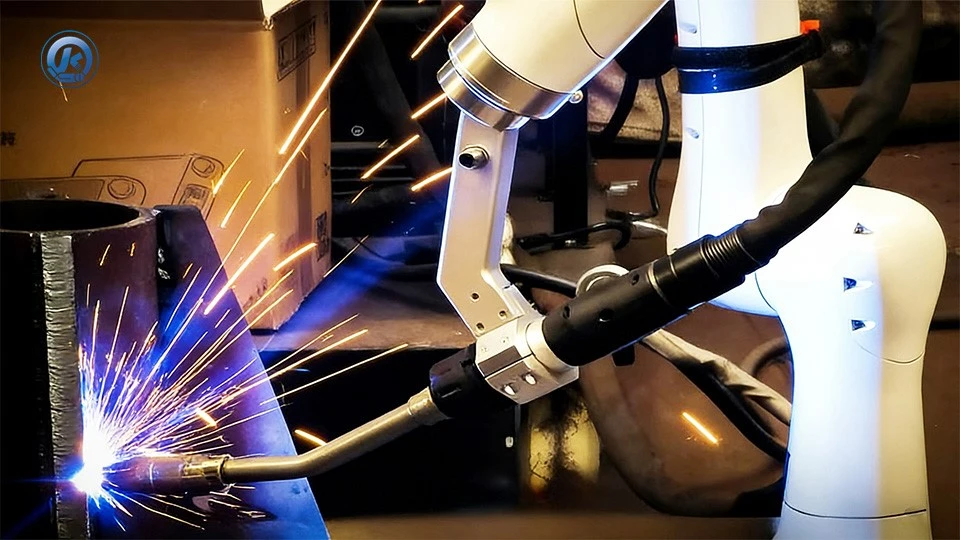
The ROKAE welding robot can independently perform weld seam recognition, welding path planning, real-time weld seam tracking, and error compensation, effectively shortening programming time and improving welding quality and overall efficiency.
Pain Point 3: Harsh Welding Conditions, Equipment Reliability Put to the Test
The ROKAE flexible welding robot achieves an overall IP67 protection rating, making it resistant to various complex welding conditions and providing reliable assurance for long-term stable operation in harsh environments.
Breakthroughs In Three Core Technologies
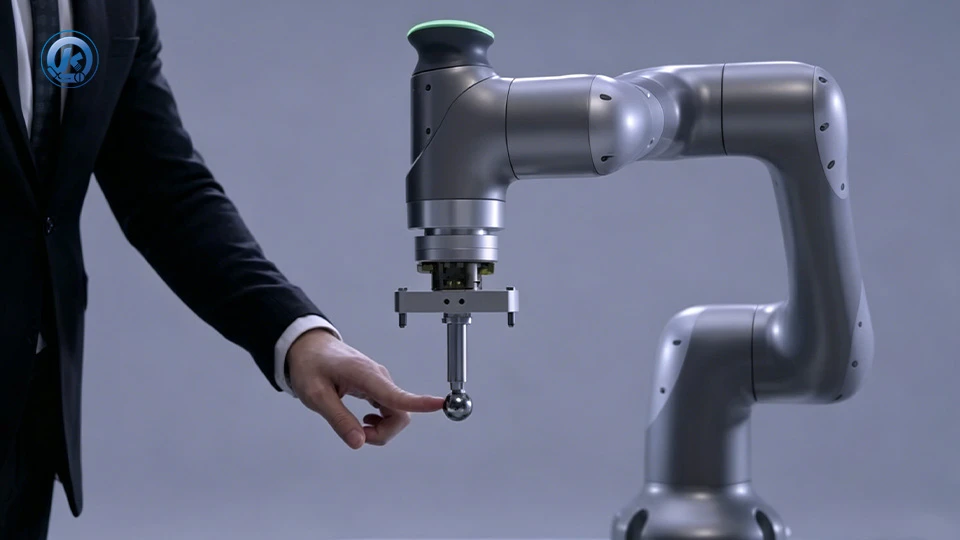
Full Joint Force Control, Achieving Ultra-Light Drag Teaching with 1N Force:Each joint is equipped with high-precision force sensor, with torque measurement resolution better than 0.1Nm, and joint force control closed-loop frequency exceeding 10kHz. The practical drag teaching function allows easy dragging of the robot to accurately find teaching points, enabling even non-professionals to operate it with ease.
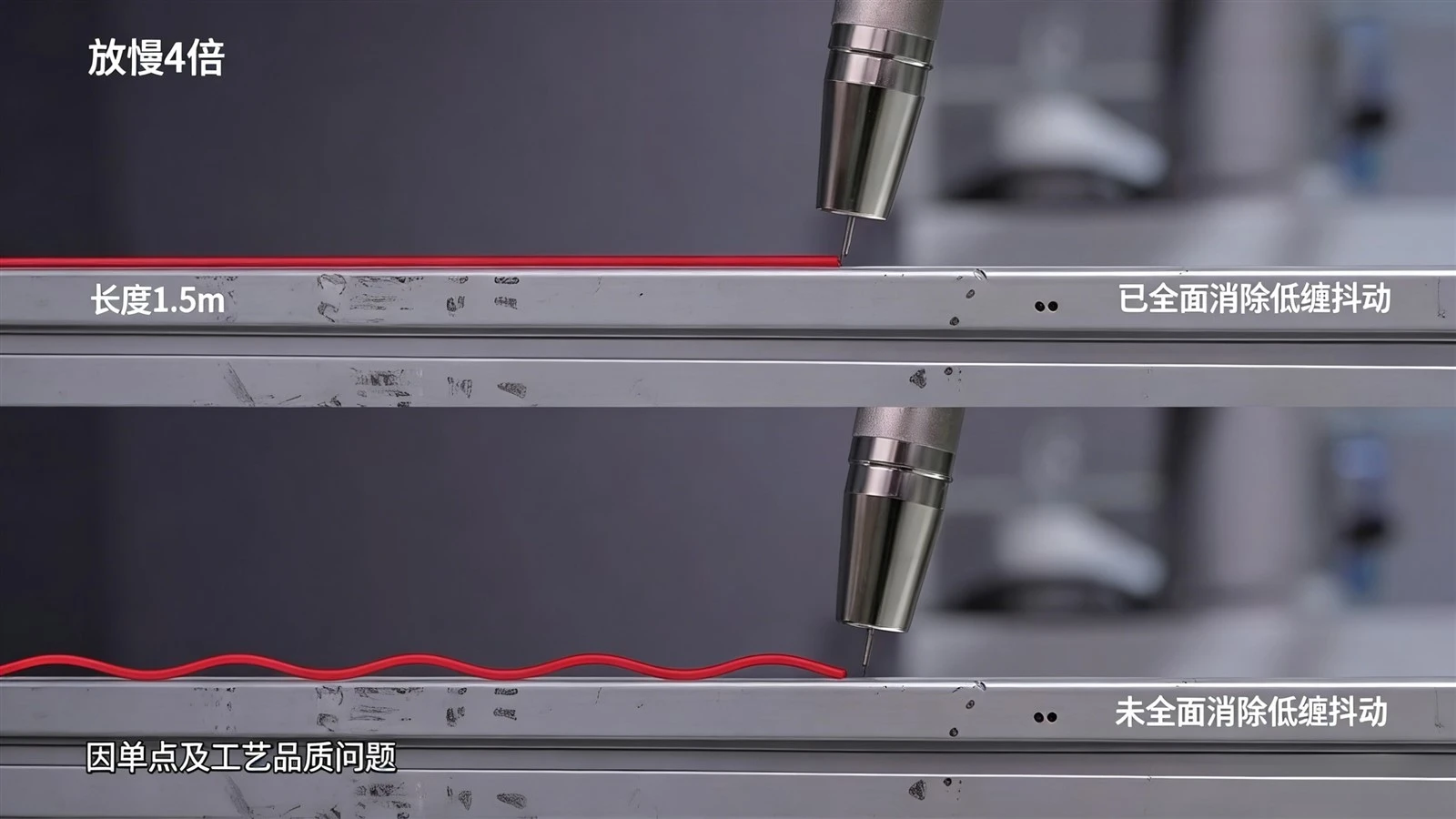
Advanced dynamic algorithms solve the low-speed jitter problem: The new generation xCore control system is equipped with OptiMotion2 technology, achieving an absolute accuracy better than 0.3mm and path accuracy better than 0.4mm. The vibration suppression algorithm completely eliminates low-speed jitter, perfectly addressing the precision challenges of complex welding paths.
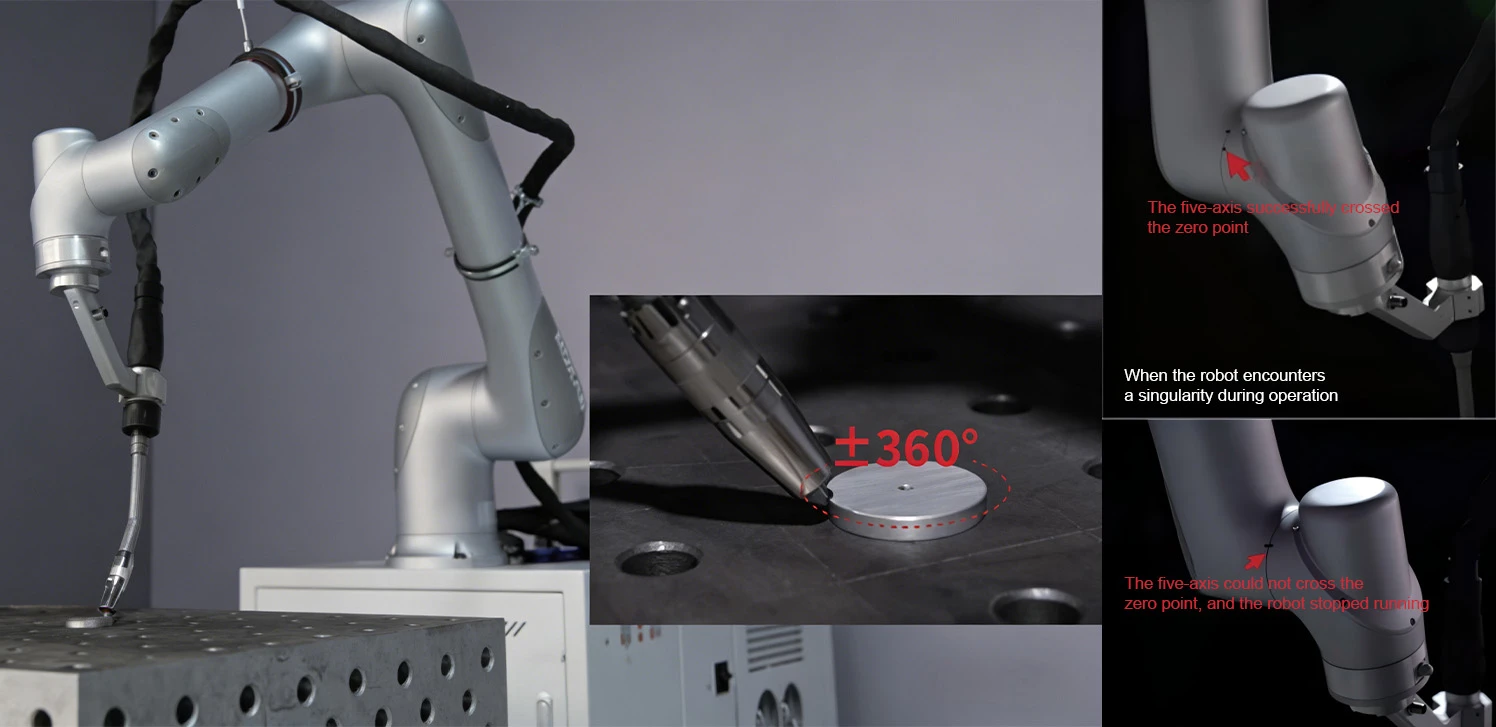
Full joint ±360° range of motion, flexibly handling complex weld seams: Each joint has ±360° range of motion, combined with singularity avoidance algorithm to ensure precise TCP positioning and stable operation, greatly simplifying the debugging process and significantly improving welding efficiency.
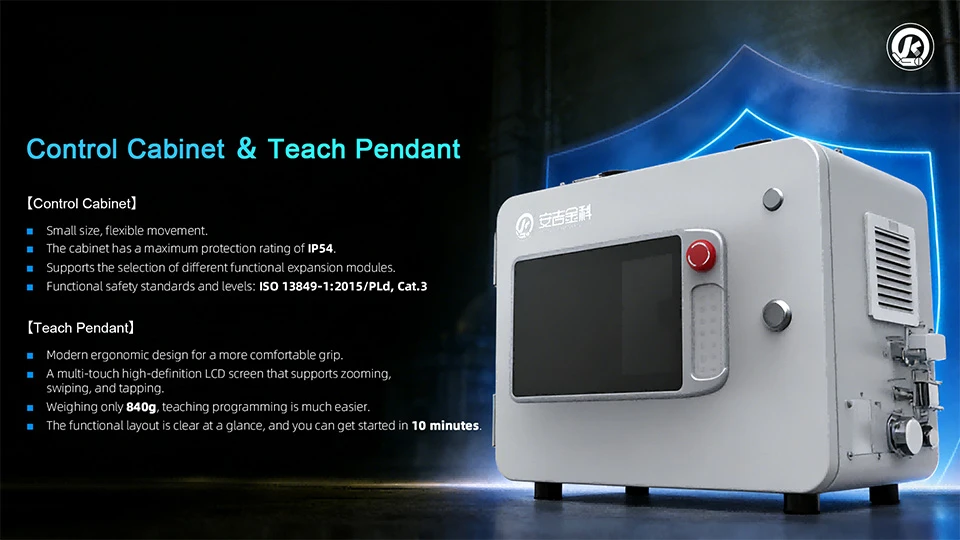
CR12-12/1.4 (12kg load, 1434mm boom span, IP67). All four models are controlled by the xMate Control Cabinet (MCC).
Professional Welding Process Package
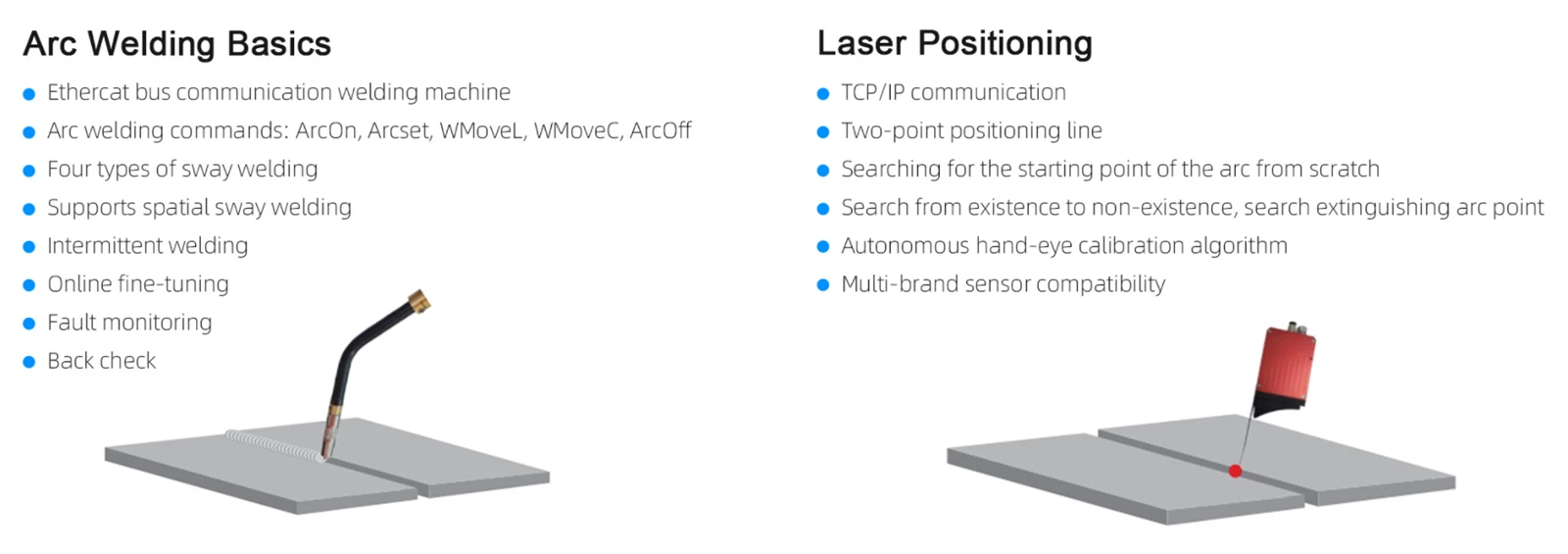
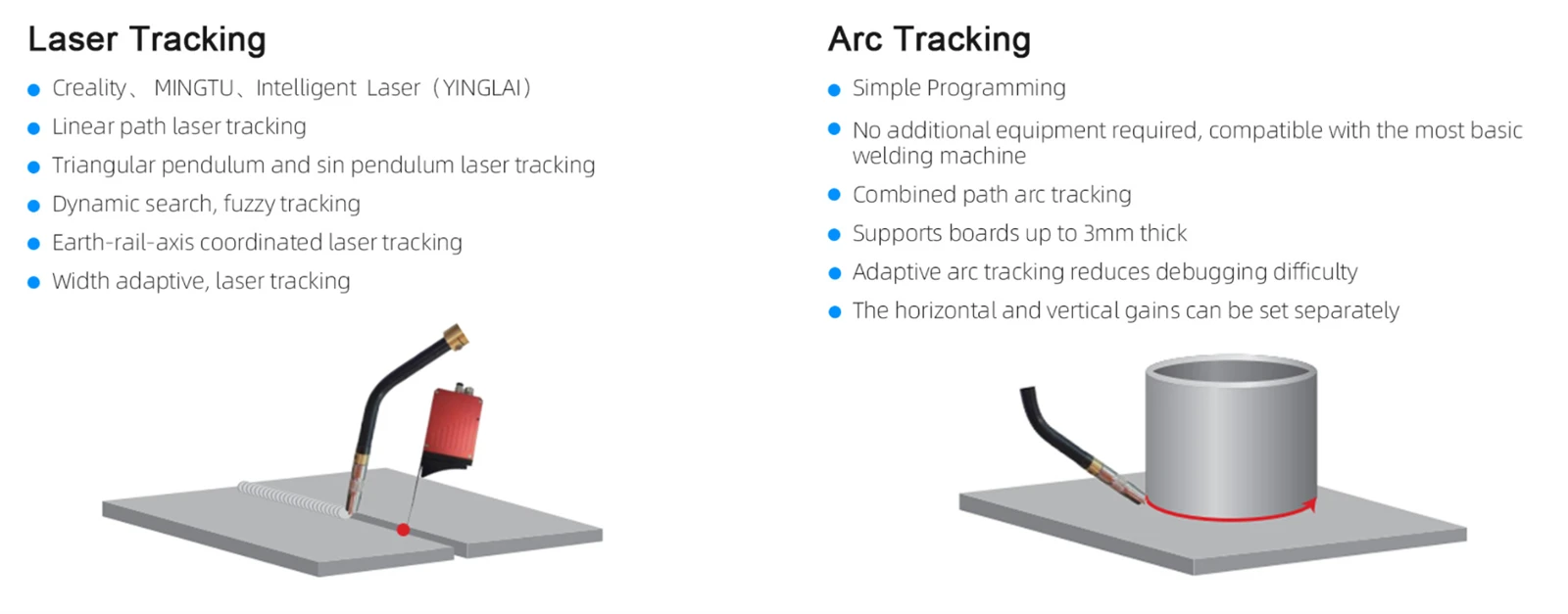
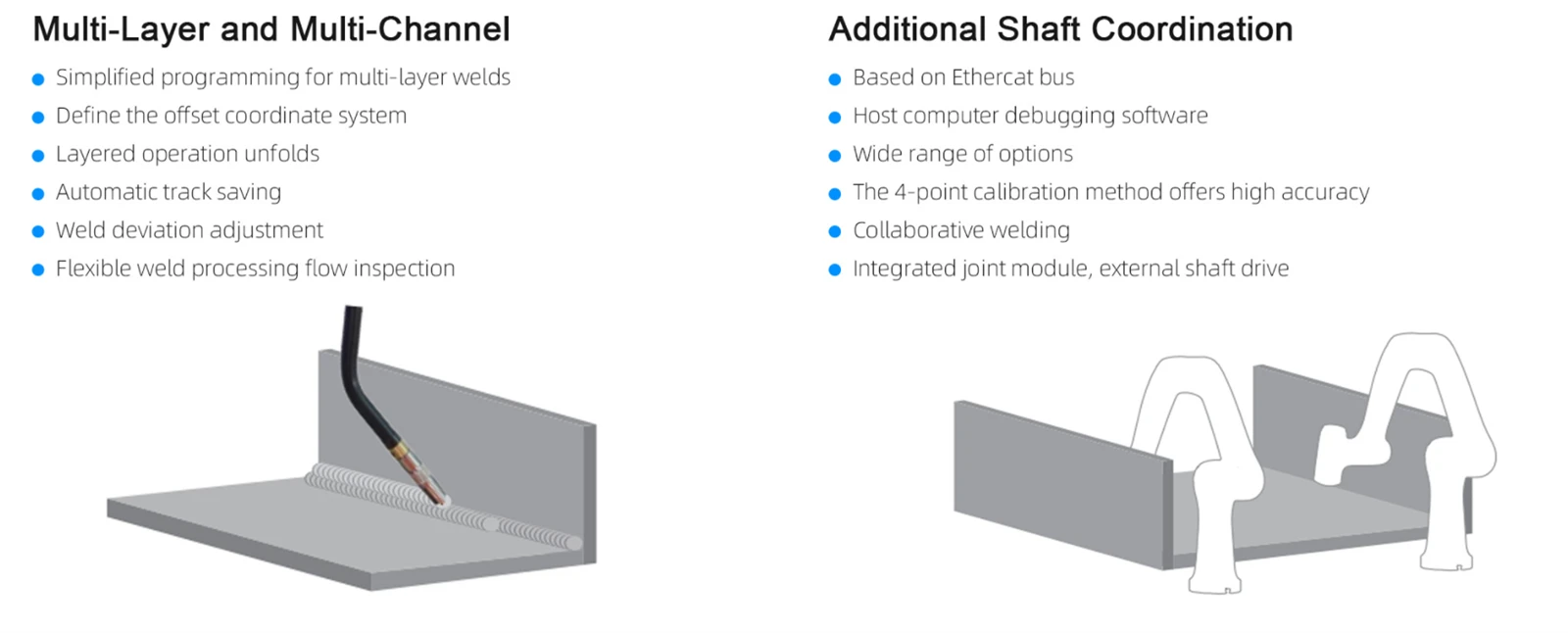
Professional Packaging, Full Protection
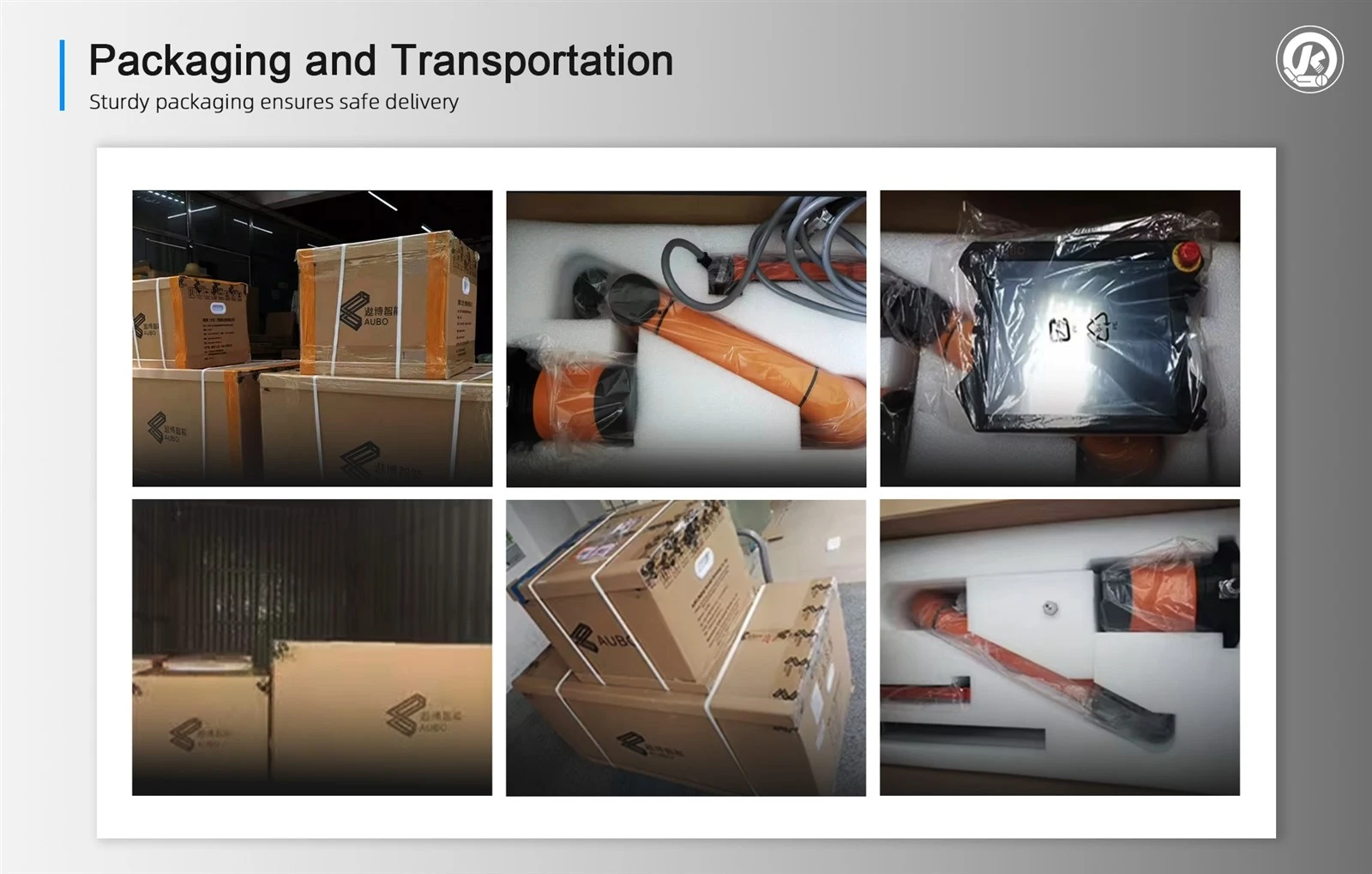
Anji Qingyun understands that every welding robot is a core asset of your automated production line. We use customized heavy-duty wooden crates for packaging, equipped internally with high-density shockproof foam and fixed brackets to ensure the robot is protected from vibrations, impacts, and moisture during long-distance transportation.
Author: Robert Chen – Anji Qingyun Senior Application Expert
I have inspected over 200 manufacturing factories and deeply understand what truly effective solutions are. Our welding robots adapt to your welders, not the other way around. Full joint force control, IP67 protection, ±0.02mm precision-these are the hard specifications that are genuinely useful for three-shift production. No exaggeration, delivering real returns from day one.